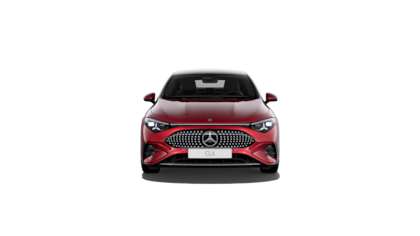
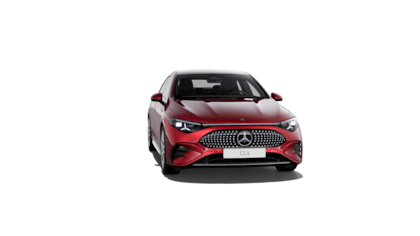
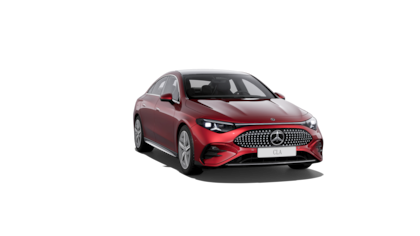
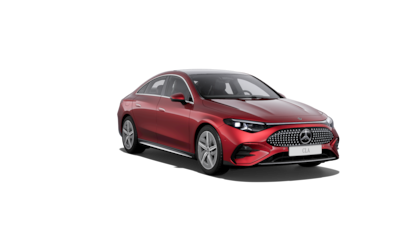
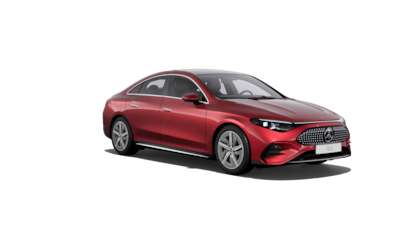
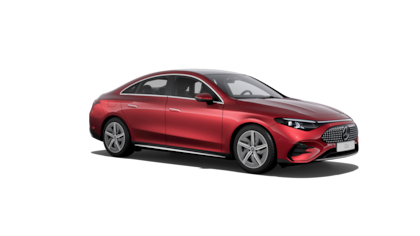
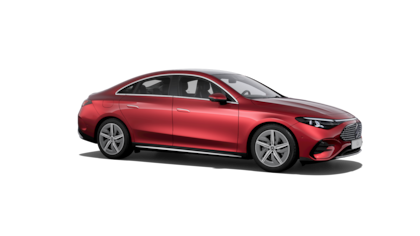
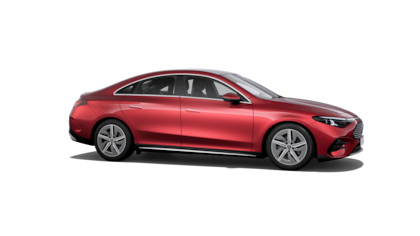
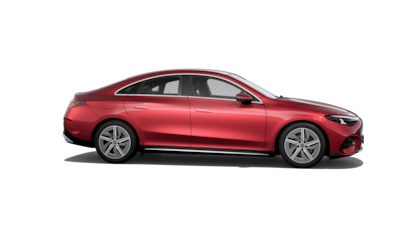
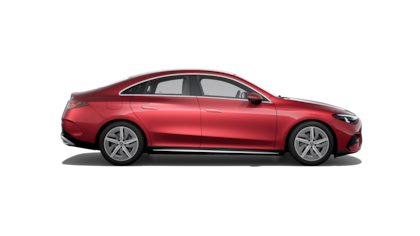
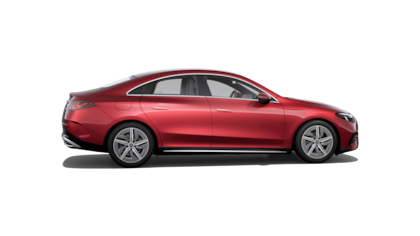
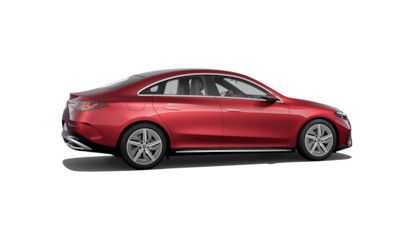
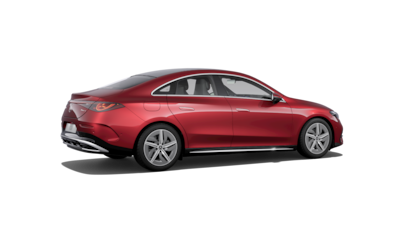
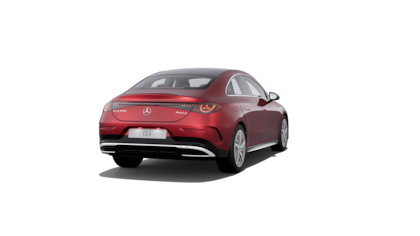
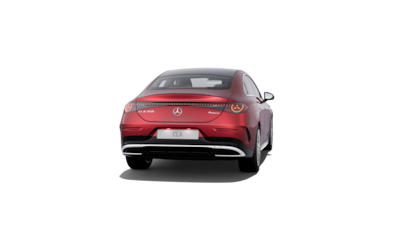
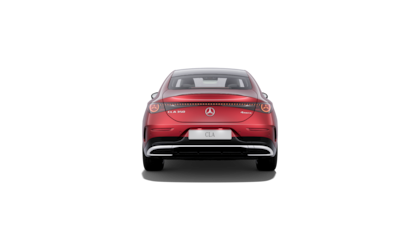
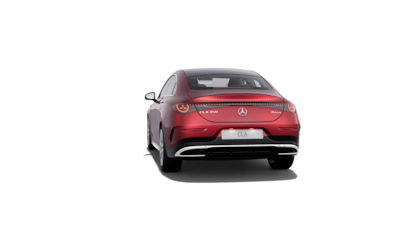
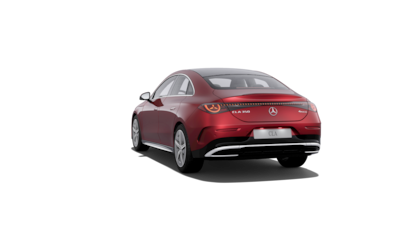
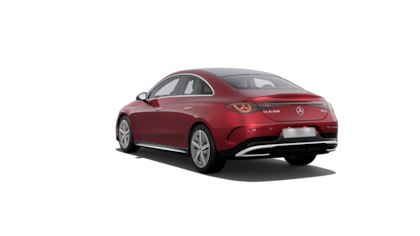
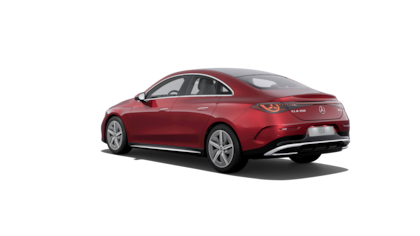
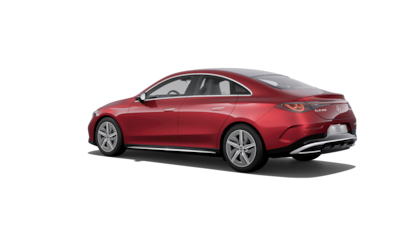
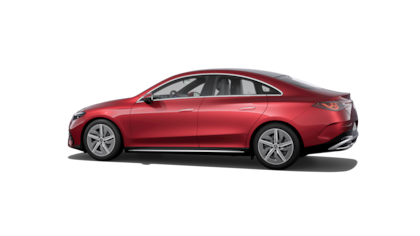
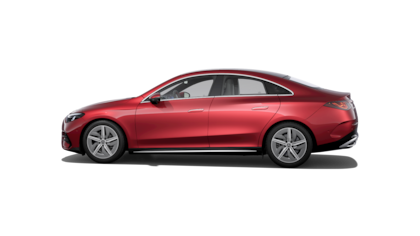
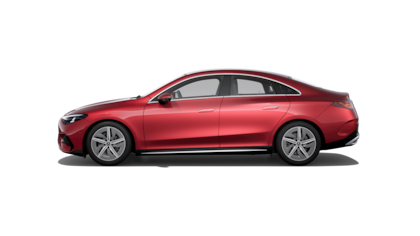
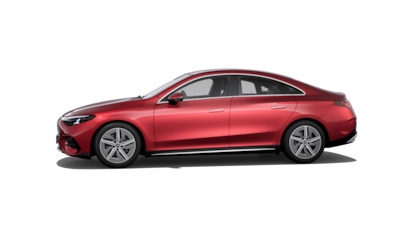
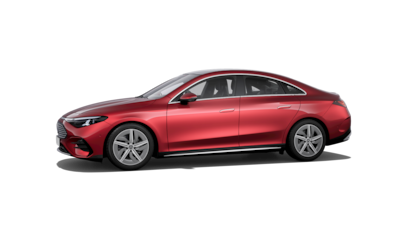
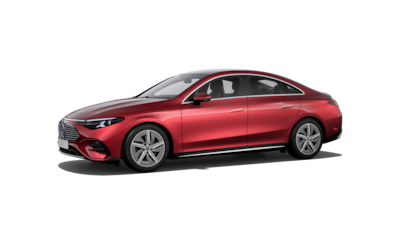
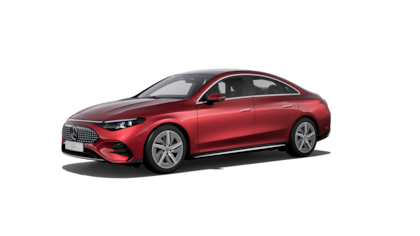
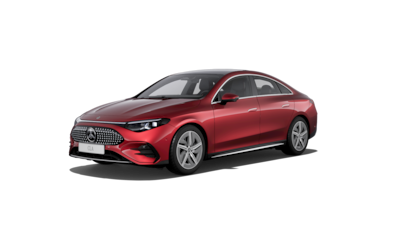
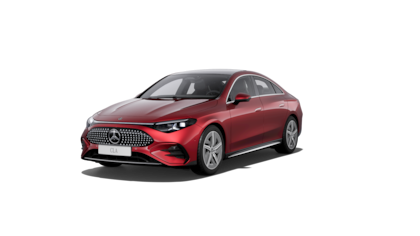
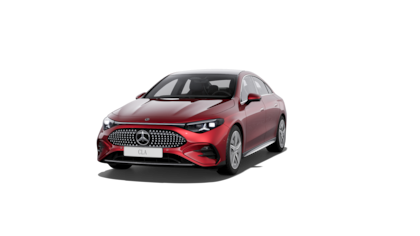
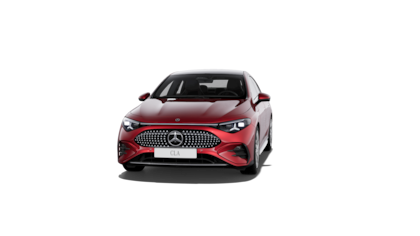
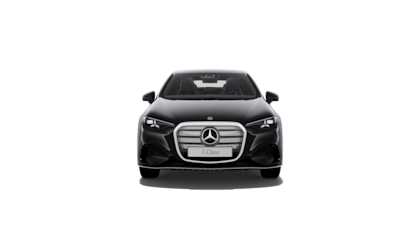
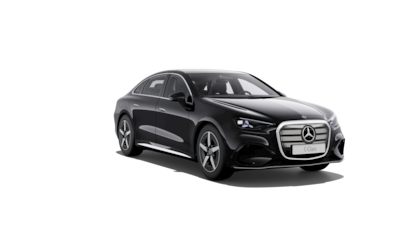
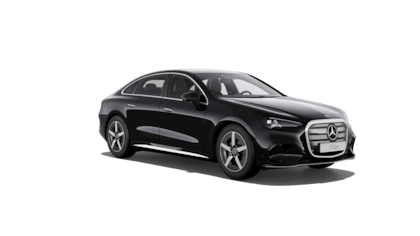
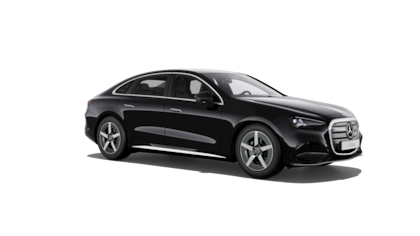
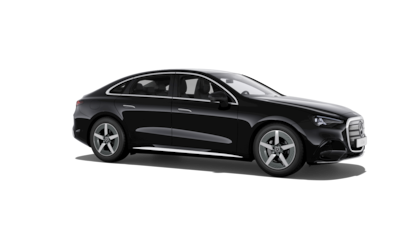
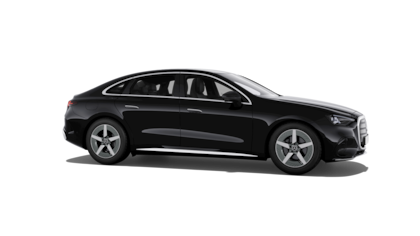
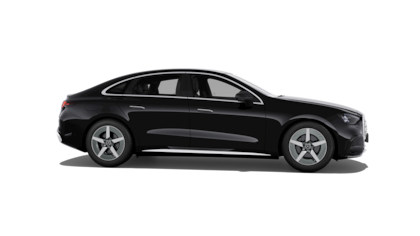
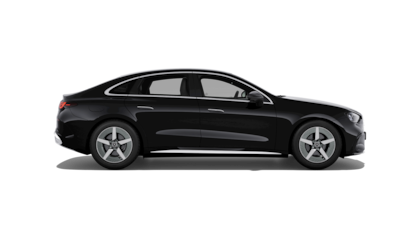
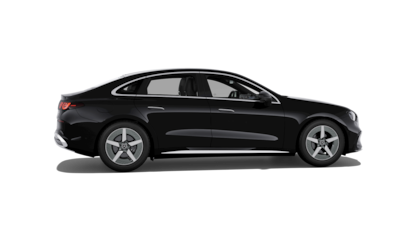
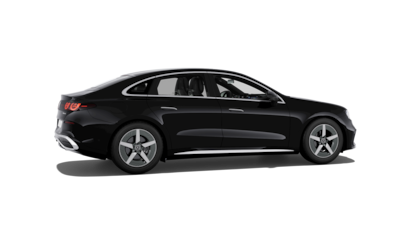
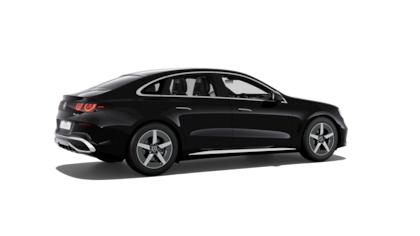
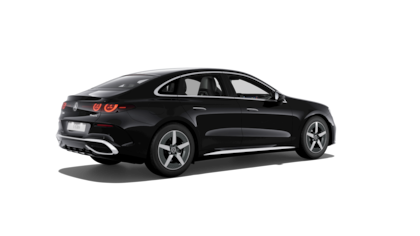
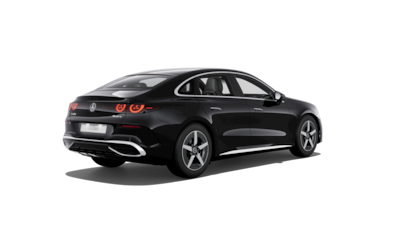
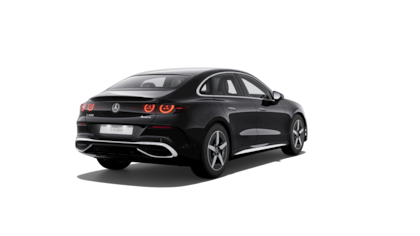
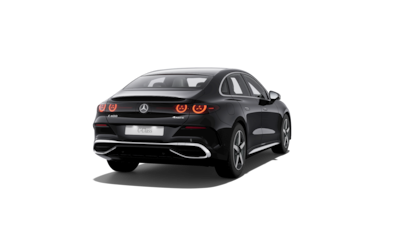
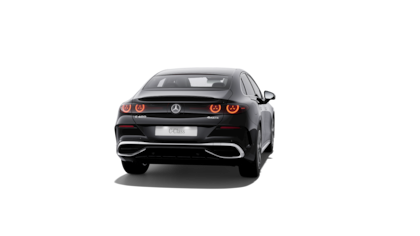
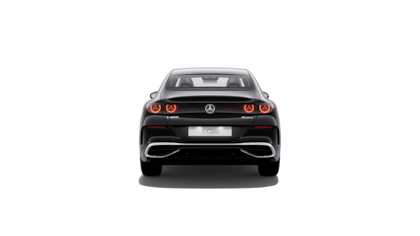
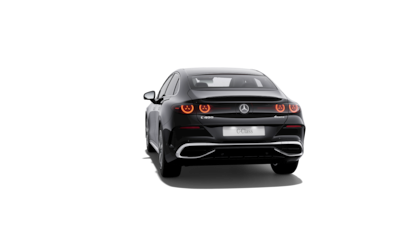
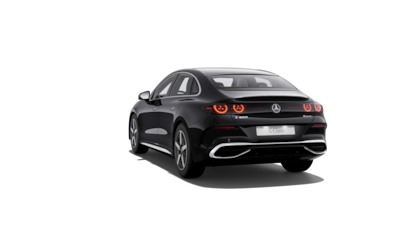
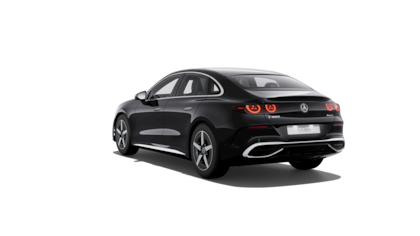
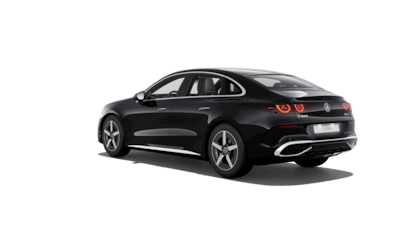
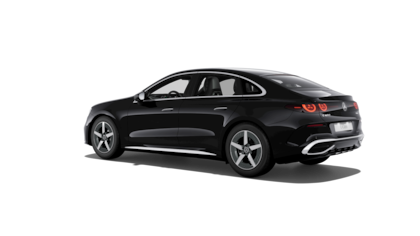
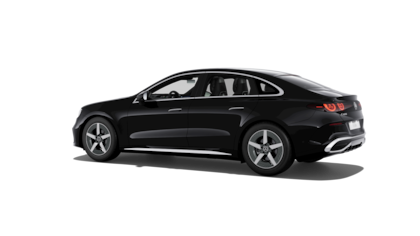
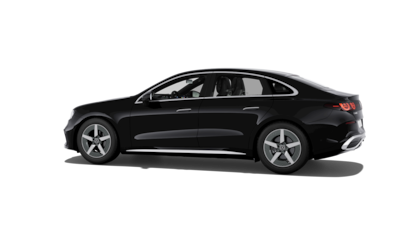
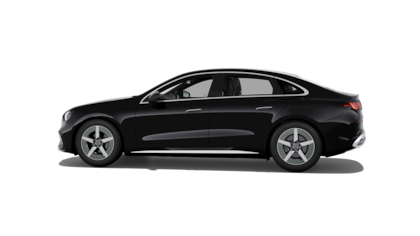
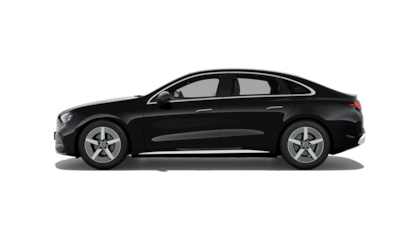
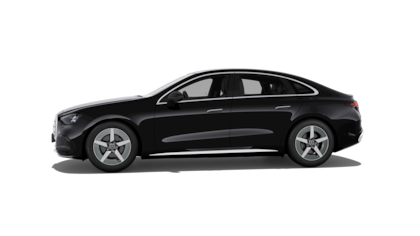
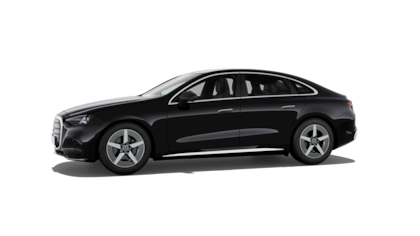
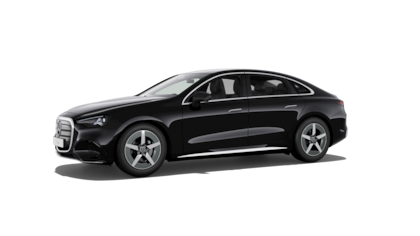
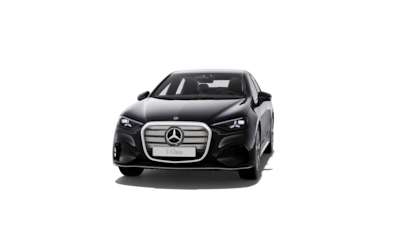
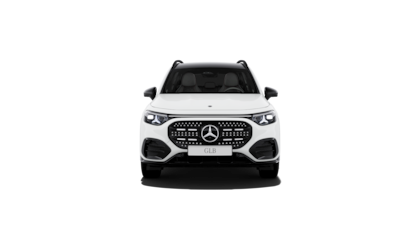
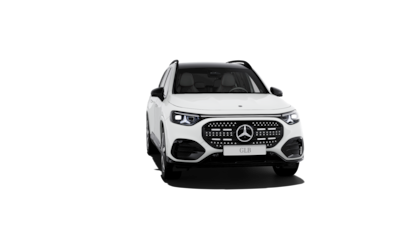
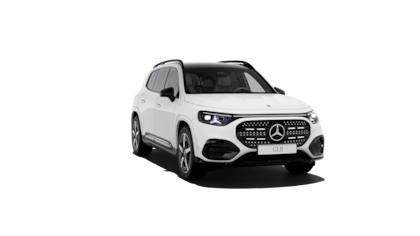
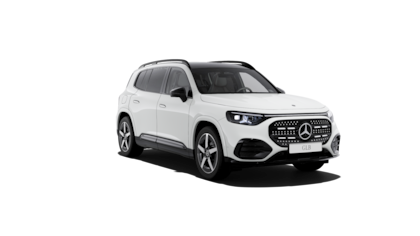
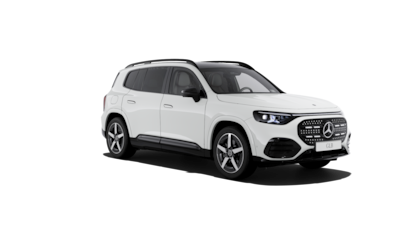
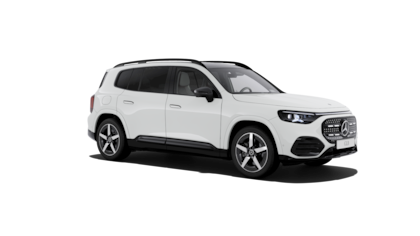
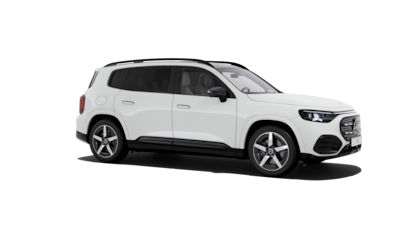
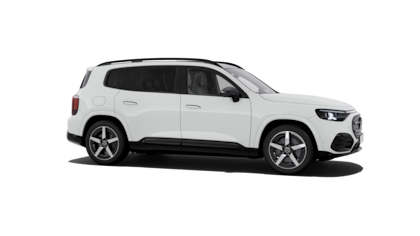
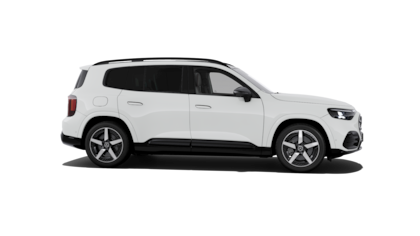
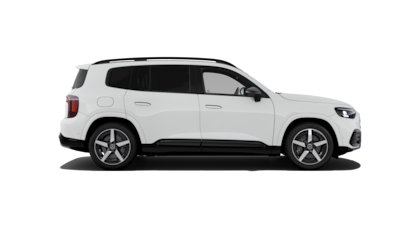
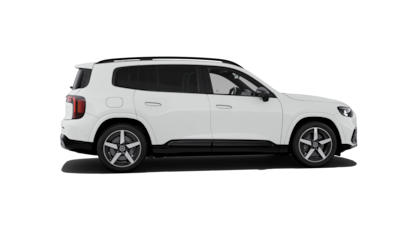
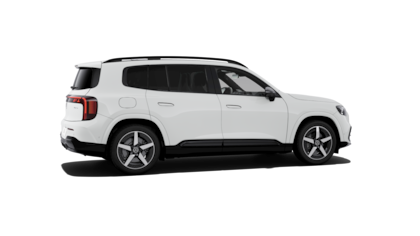
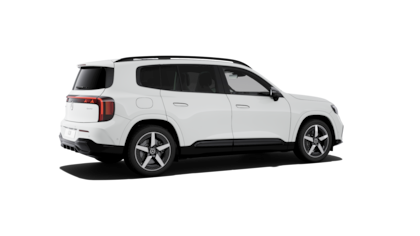
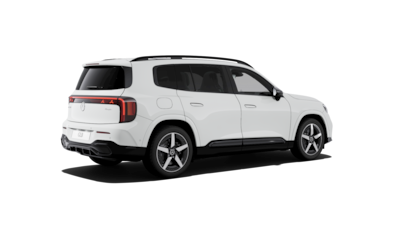
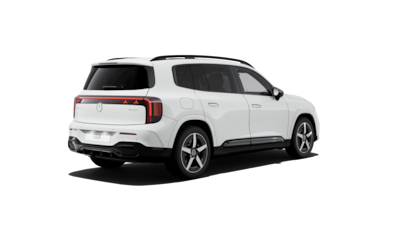
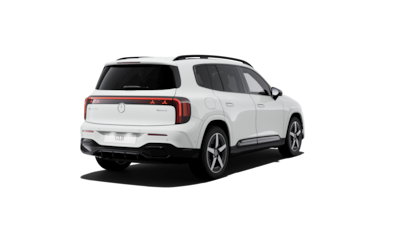
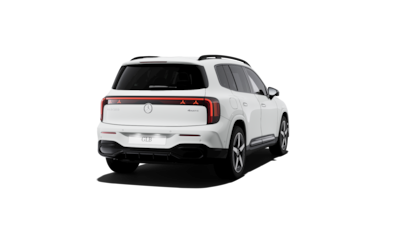
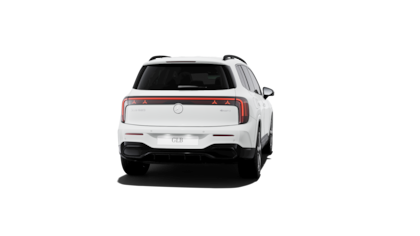
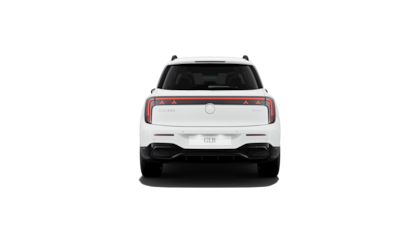
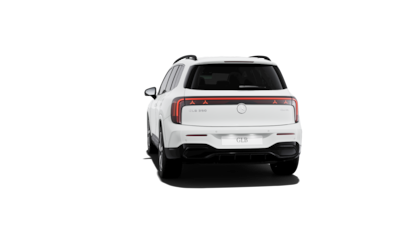
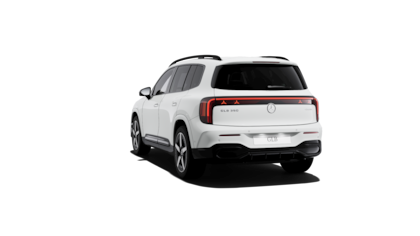
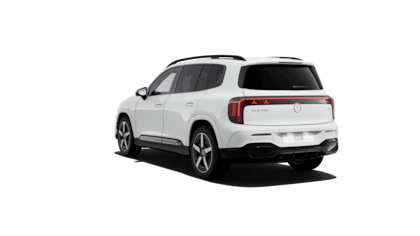
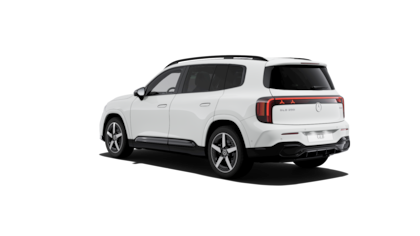
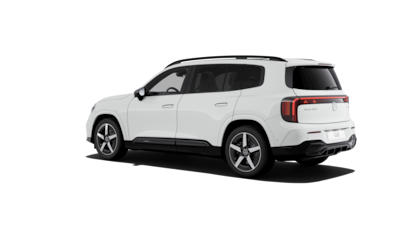
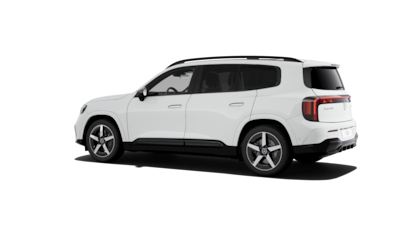
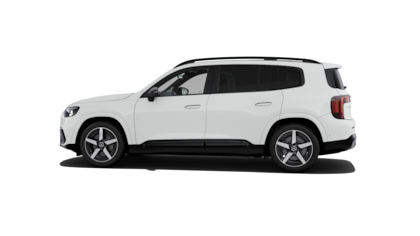
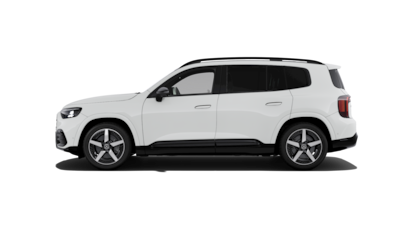
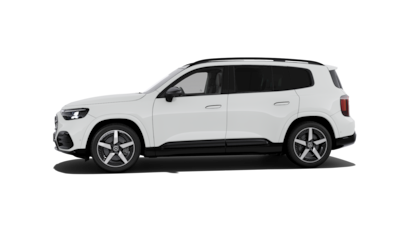
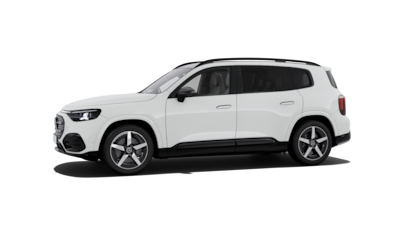
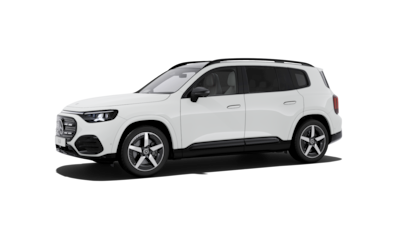
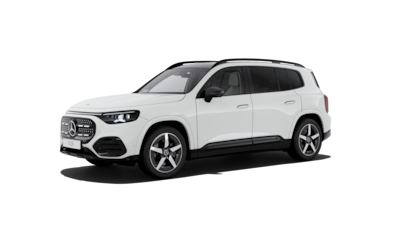
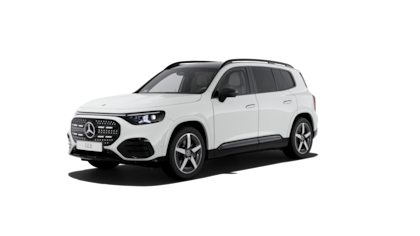
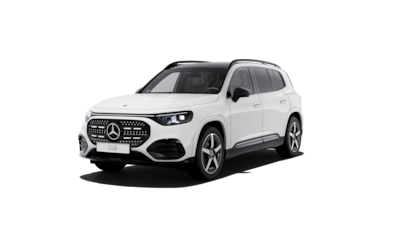
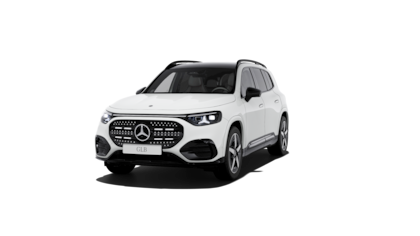
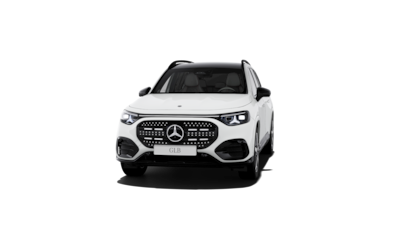
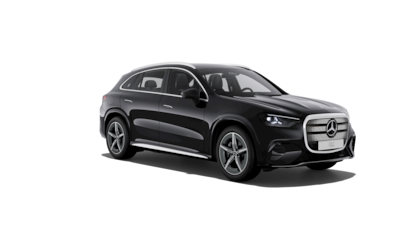
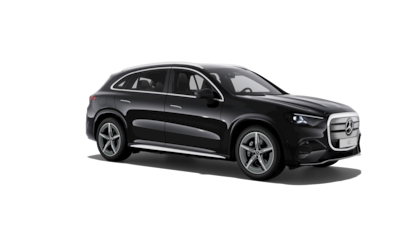
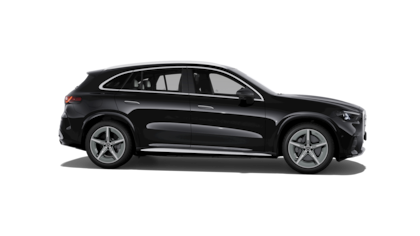
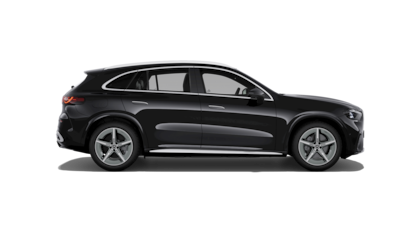
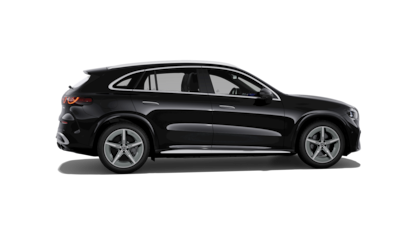
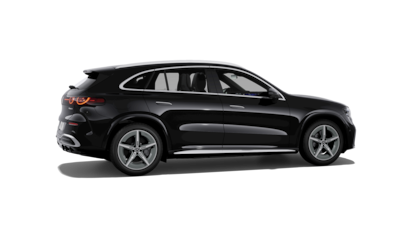
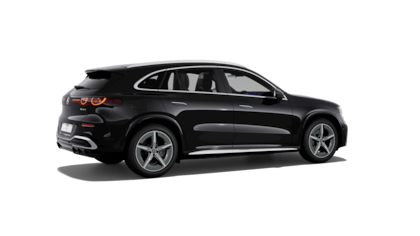
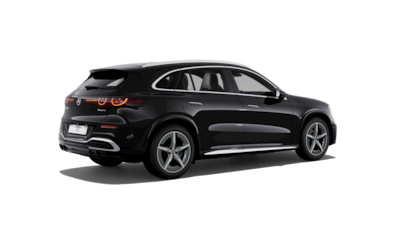
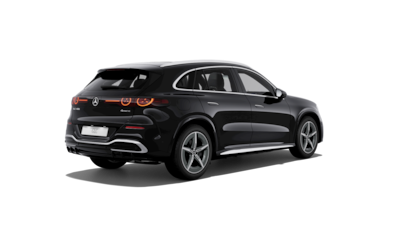
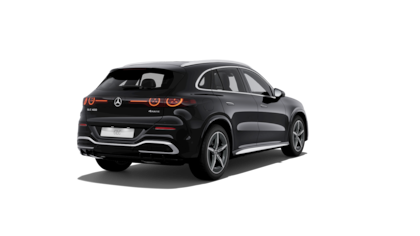
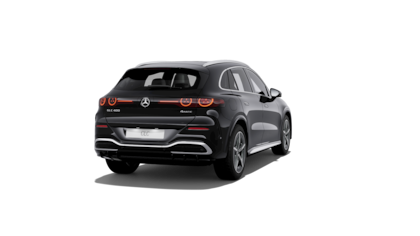
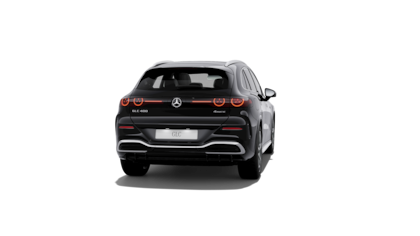
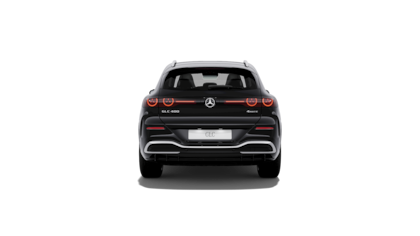
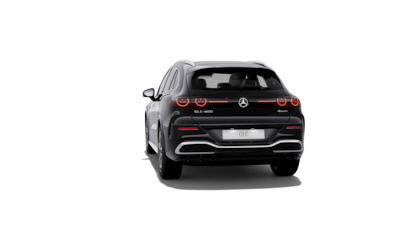
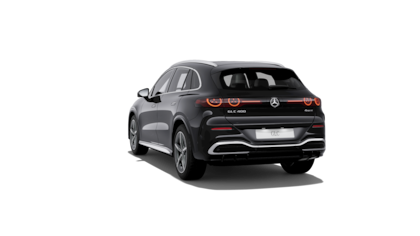
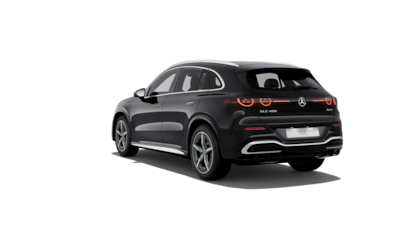
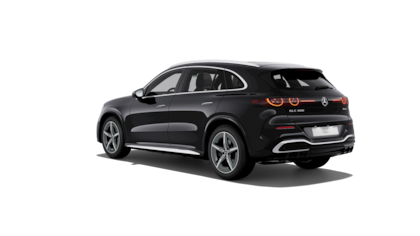
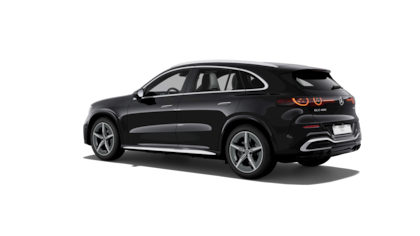
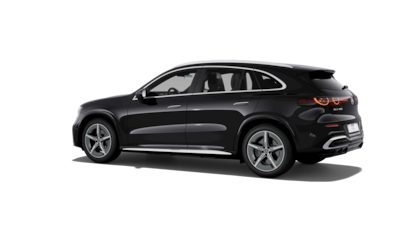
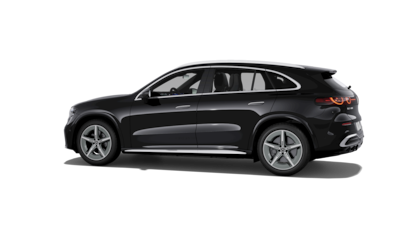
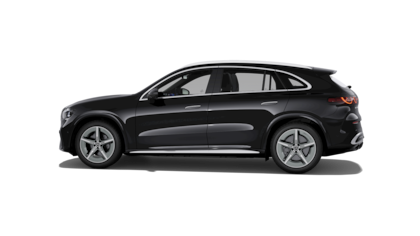
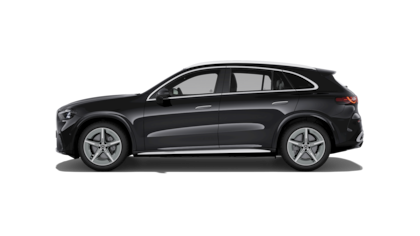
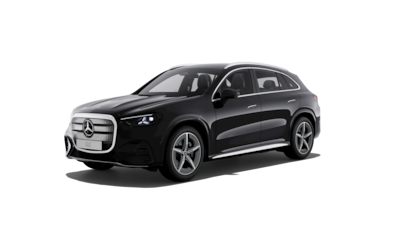
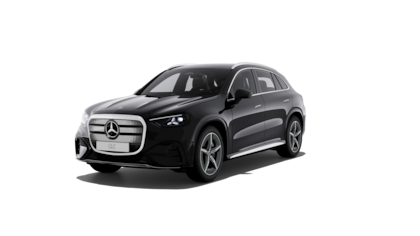
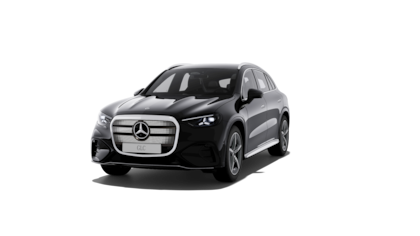
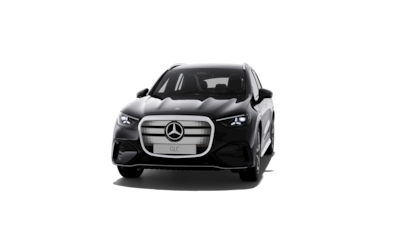
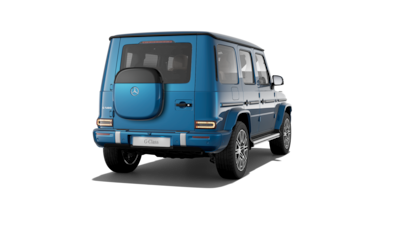
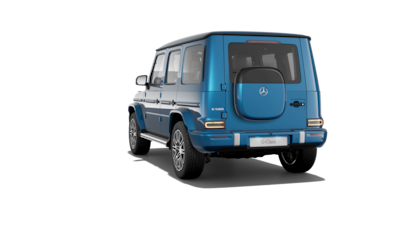
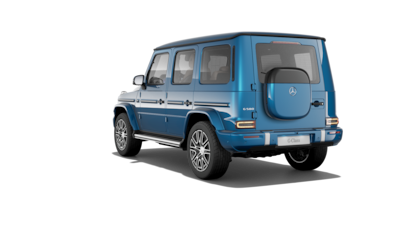
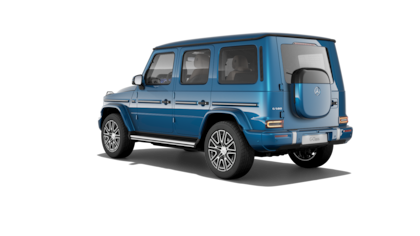
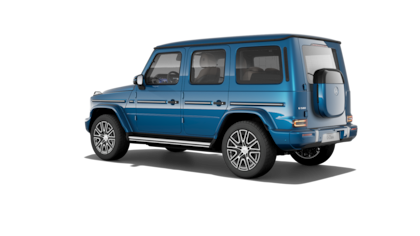
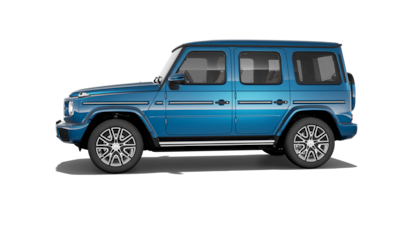
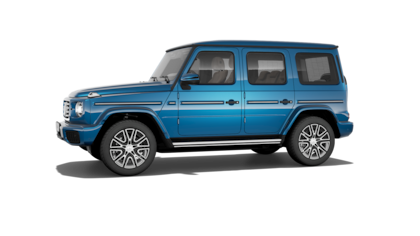
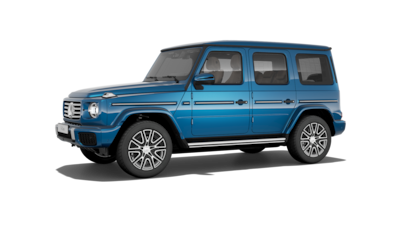
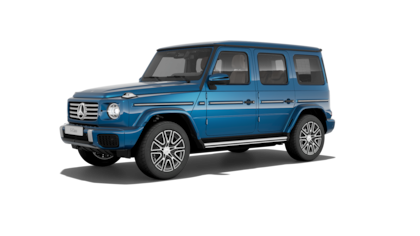
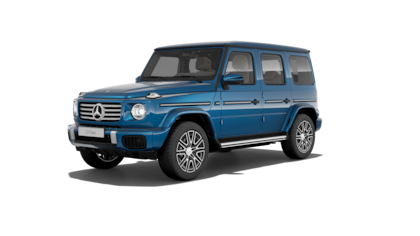
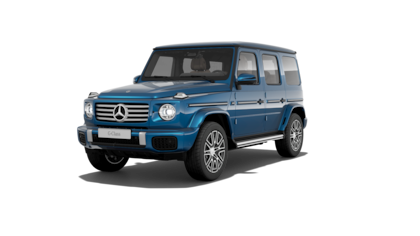
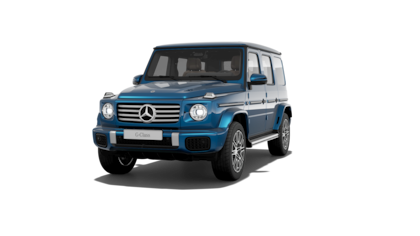
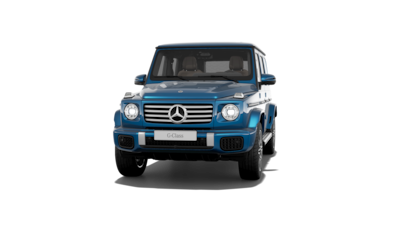
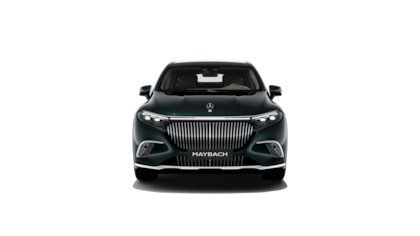
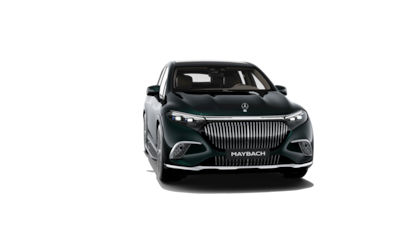
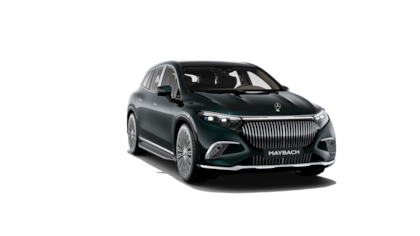
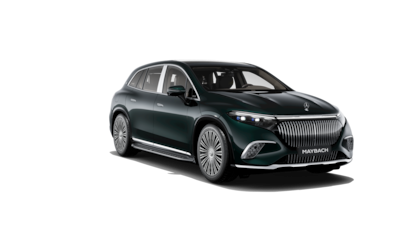
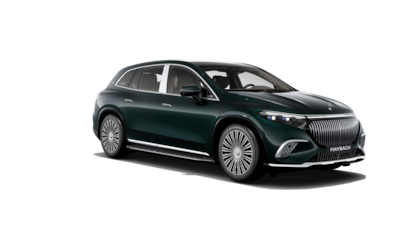
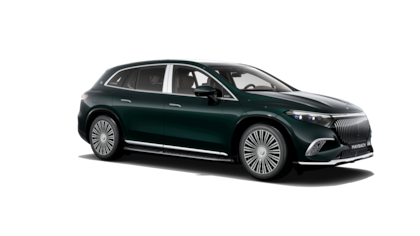
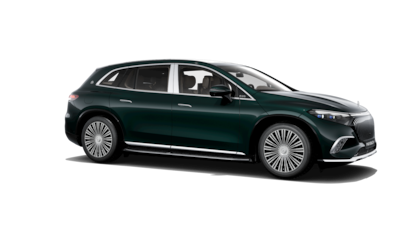
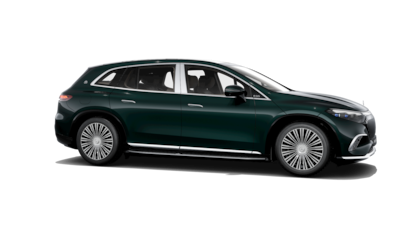
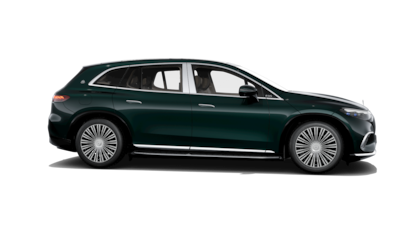
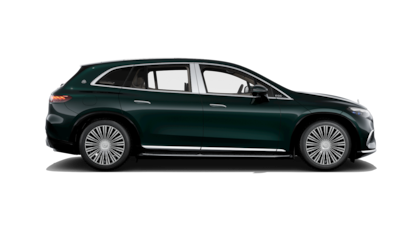
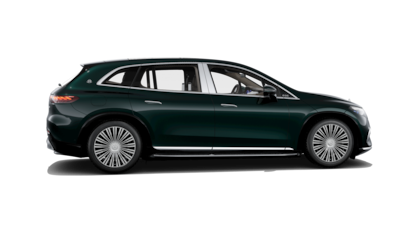
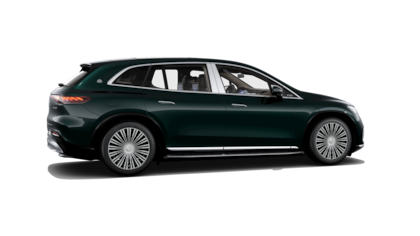
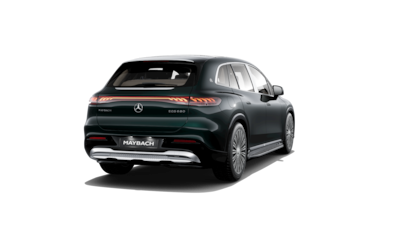
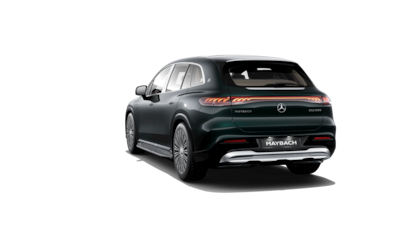
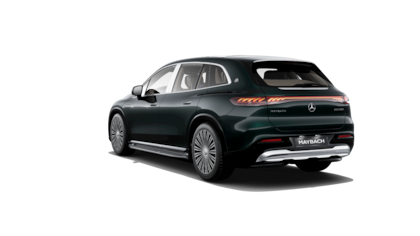
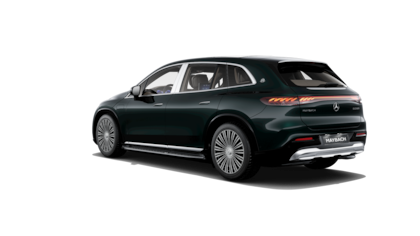
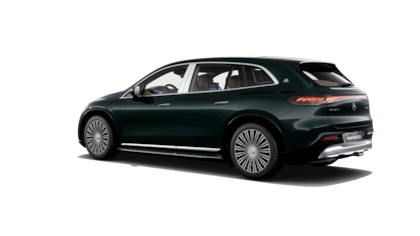
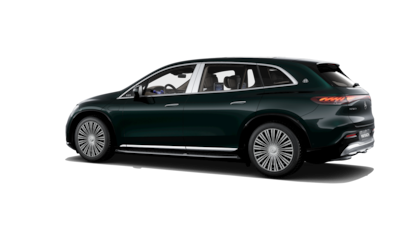
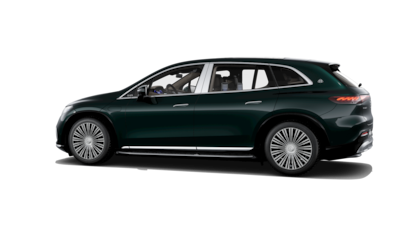
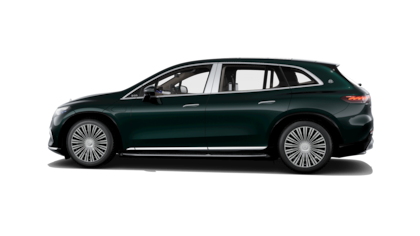
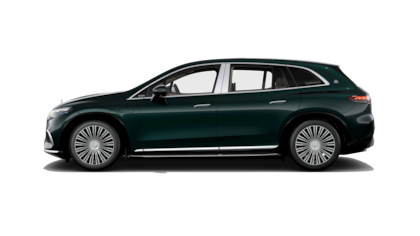
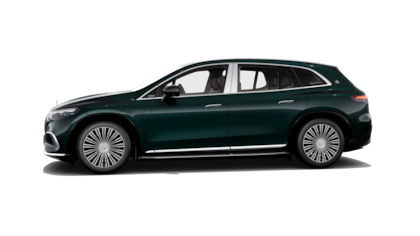
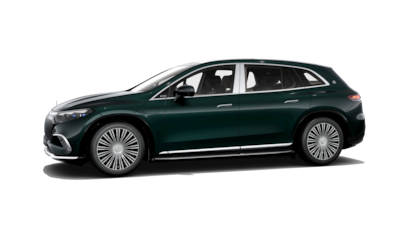
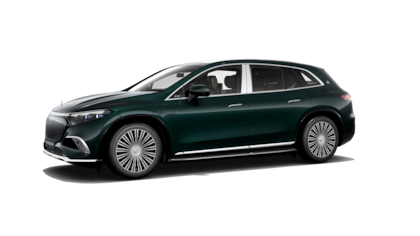
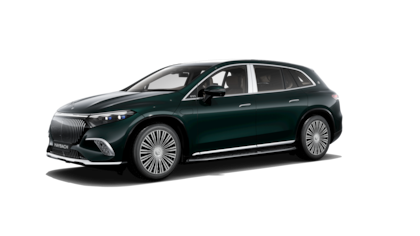
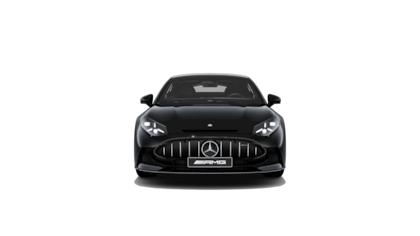
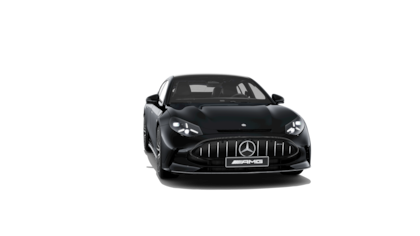
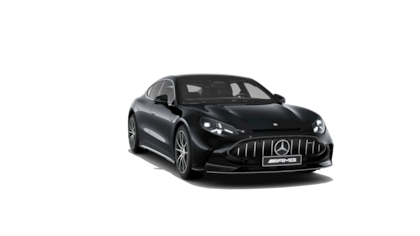
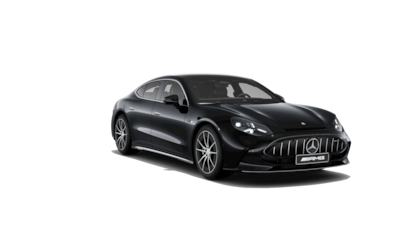
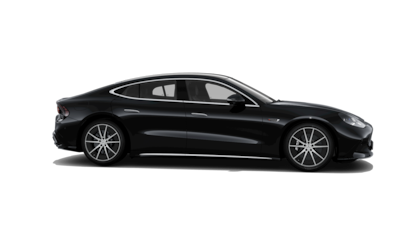
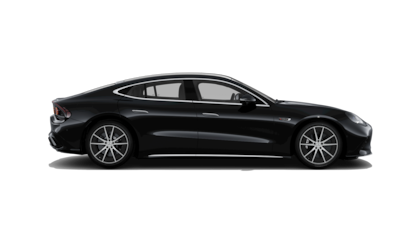
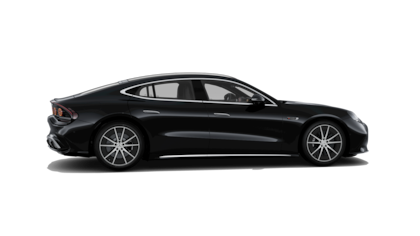
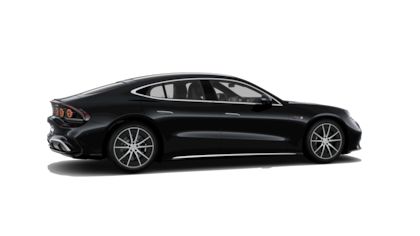
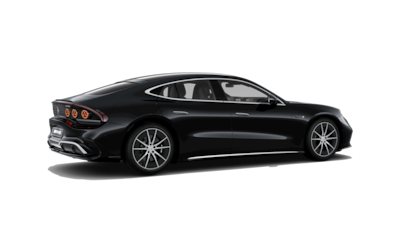
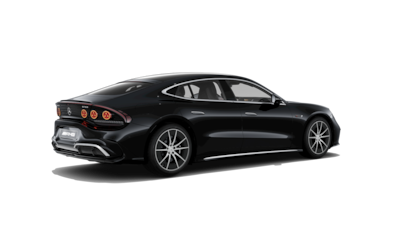
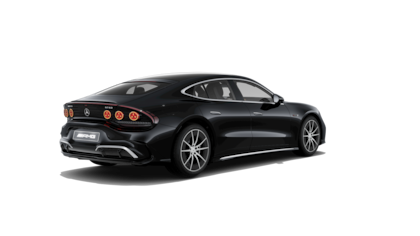
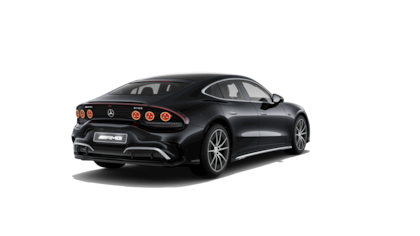
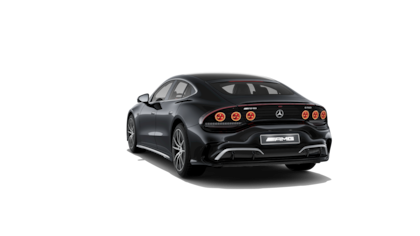
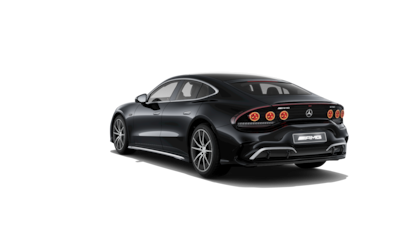
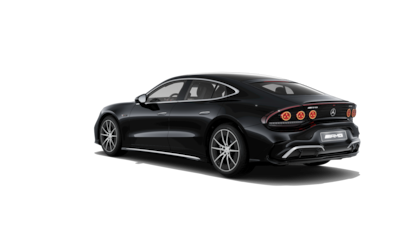
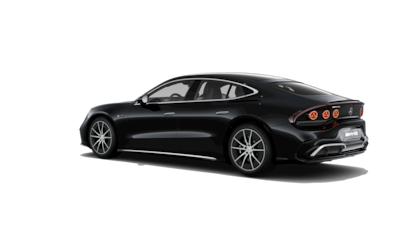
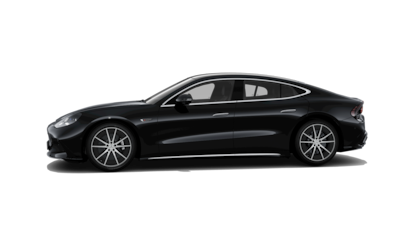
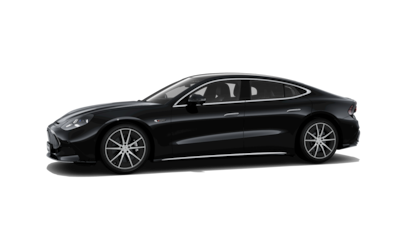
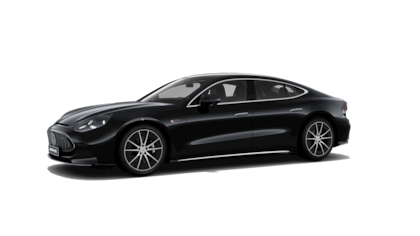
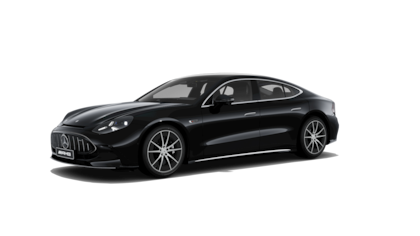
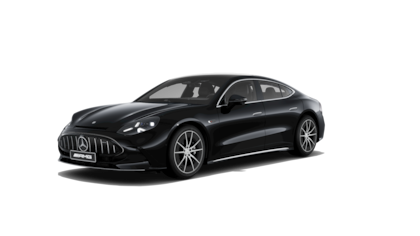
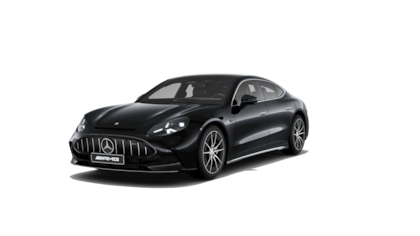
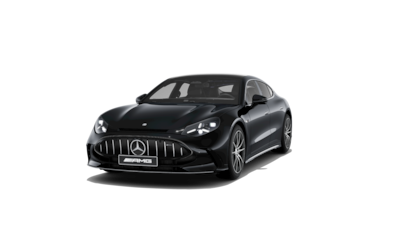
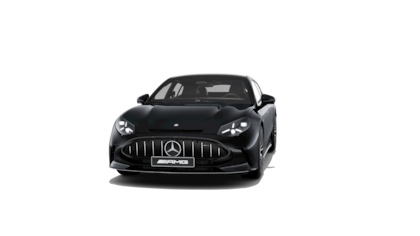
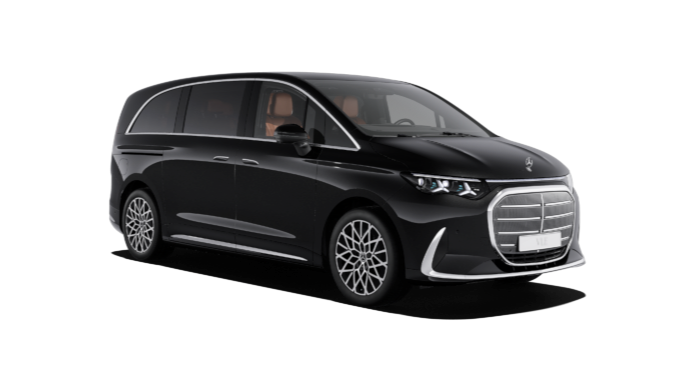
Electric cars from Mercedes-Benz.

Electric cars from Mercedes-Benz.

Discover the exciting range that combines intelligence, driving pleasure, versatility, safety, and performance.

View price listBook a test drive

Model Overview
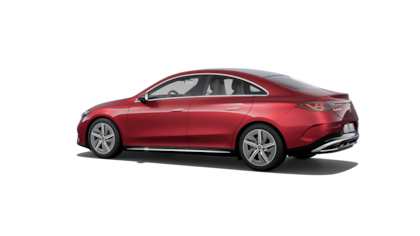
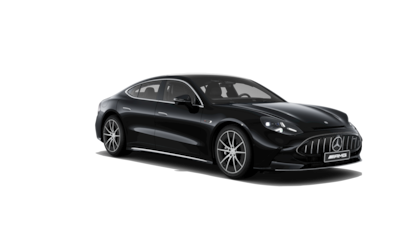
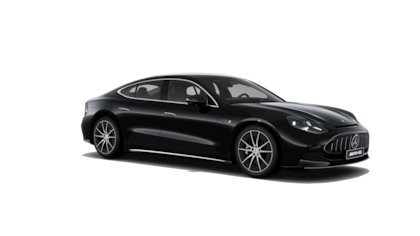
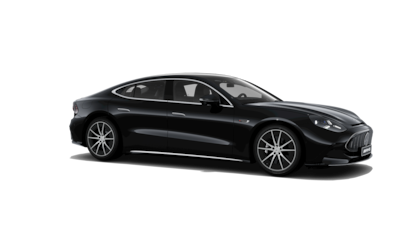
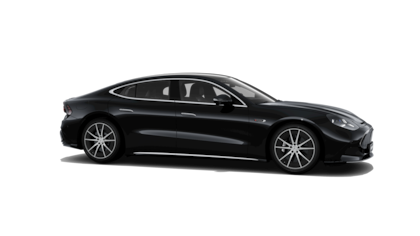
Discover the Mercedes-Benz all-electric cars.

0 models

5 models

Show only

New models
Bodytype

Saloons
SUV
Compact Cars
Coupés
Cabriolets / Roadsters
Grand Limousine
MPVs

Saloons

SUV

Grand Limousine

The smart choice – go electric with Mercedes-Benz.

From elegant saloons to versatile SUVs, every model in the Mercedes-Benz electric range combines effortless performance, outstanding efficiency and cutting-edge technologies. Add in impressive range figures and convenient charging solutions – either at home, on the road or at the workplace – and going electric is the intelligent choice for the future.

Frequently asked questions.

Whether this is your first Mercedes-Benz electric car, or you’re looking to change or upgrade your current model, we’ve put together a shortlist of the most common questions to help you make the right choice.

Unlike a traditional car that has an internal combustion engine powered by petrol or diesel, an electric car uses electric motors powered by electricity. The battery stores electricity, which is supplied to the motors to turn the wheels.

An electric car charges via a cable (attached to a wallbox or public charger), storing energy in a rechargeable battery that powers one or more electric motors with instant torque. Lifting off the accelerator triggers regenerative braking, turning kinetic energy into electricity and feeding it back into the battery.

An electric car runs only on electricity, so it must be charged regularly to cover longer distances. A plug-in hybrid (PHEV) has both an electric motor and an engine, so it can drive on electricity alone for short distances (typically 80-100 km WLTP), then switch to the engine for longer journeys.

You can charge at home, work or public station. Home and most public chargers supply AC, which the car converts AC to DC to charge the battery. High-power public chargers use DC rapid charging, sending power straight to the battery, which is why this type of charging is much faster.

Home wallboxes (approx. 7 kW) take roughly 10-13 hours for a full charge. Public AC chargers (typically 11kW) cut this to around 4-6 hours for a 20-80% charge. DC charging is the fastest: for example, the 800-volt system in the electric GLC supports up to 330 kW, adding up to 303 km in just 10 minutes.

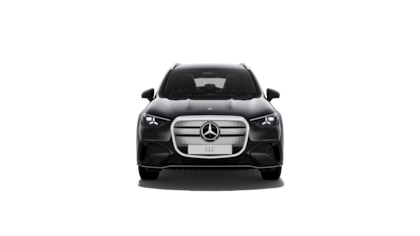
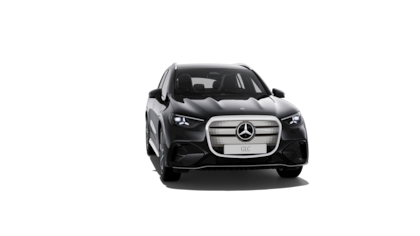
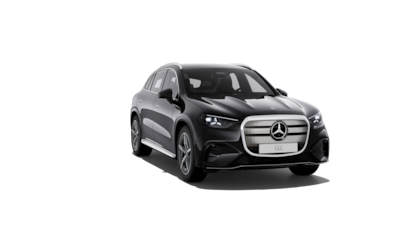
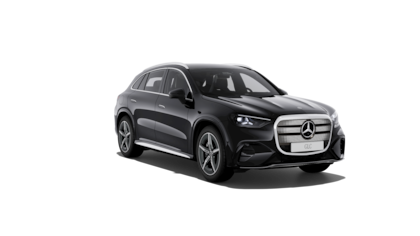
That's the new electric GLC with up to 1,740 litres of boot capacity. What's more, this car (like the electric CLA) has an additional frunk under the bonnet offering an extra 128 litres of loadspace (101 litres in the CLA), which is perfect for smaller items.
Lithium-ion batteries become more sensitive as they approach full capacity. To avoid overheating or internal stress, the car's battery management system automatically reduces power. This is why we always recommend charging between 20-80 % on a regular basis.

All Mercedes-Benz electric cars have a battery certificate that provides a performance guarantee. For the EQS and EQE, it's valid for 10 years/250,000 km. In the all-new electric GLB, electric CLA, electric GLC and electric G-Class, it's 8 years/160,000 km. The certificate for hybrid cars is up to six years/100,000 km.
Mercedes-Benz has opened Europe’s first battery recycling plant in Kuppenheim, Germany, and materials recovered here feed into the production of new batteries for future electric vehicles. It achieves a remarkable recycling rate of over 96 % for key materials.