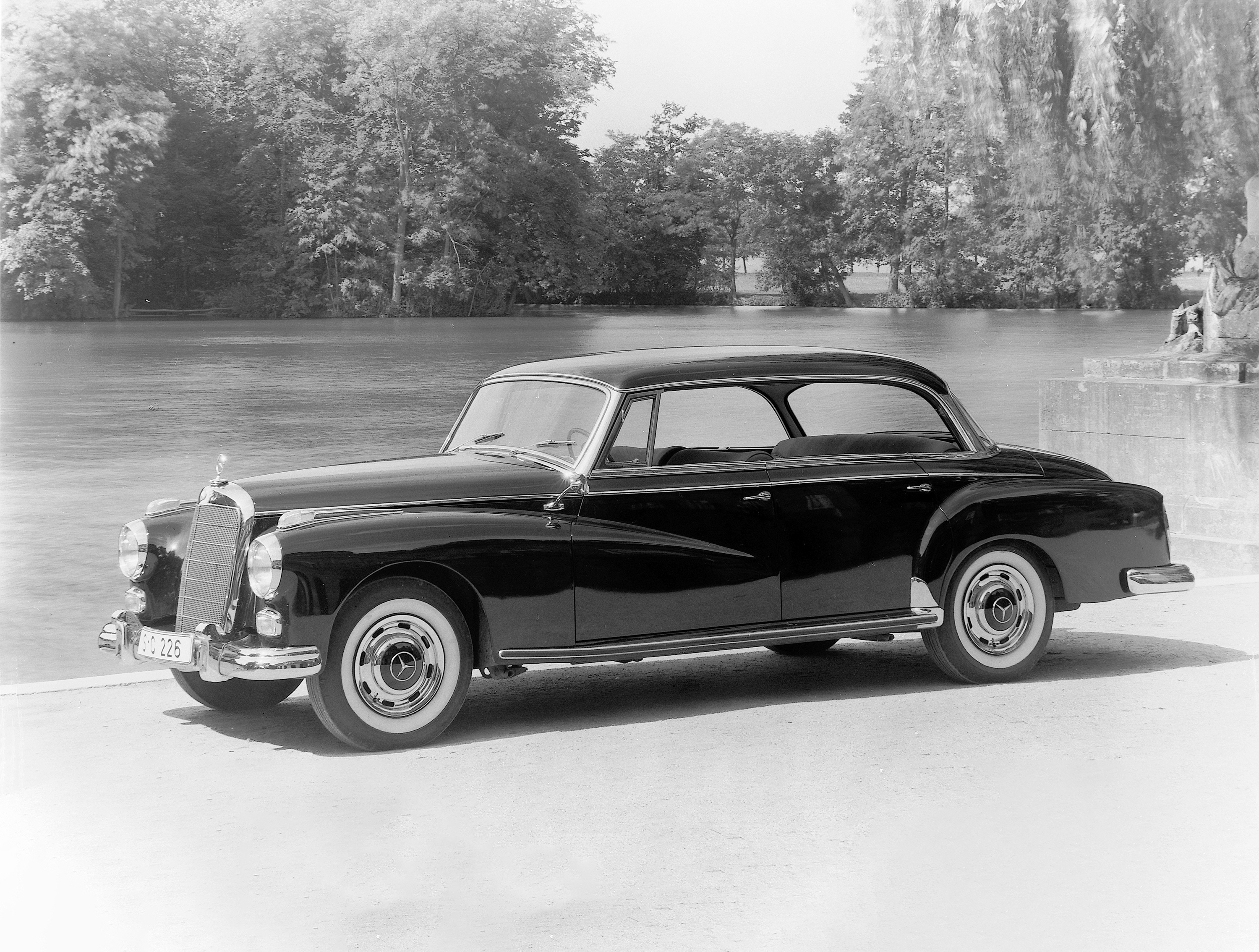
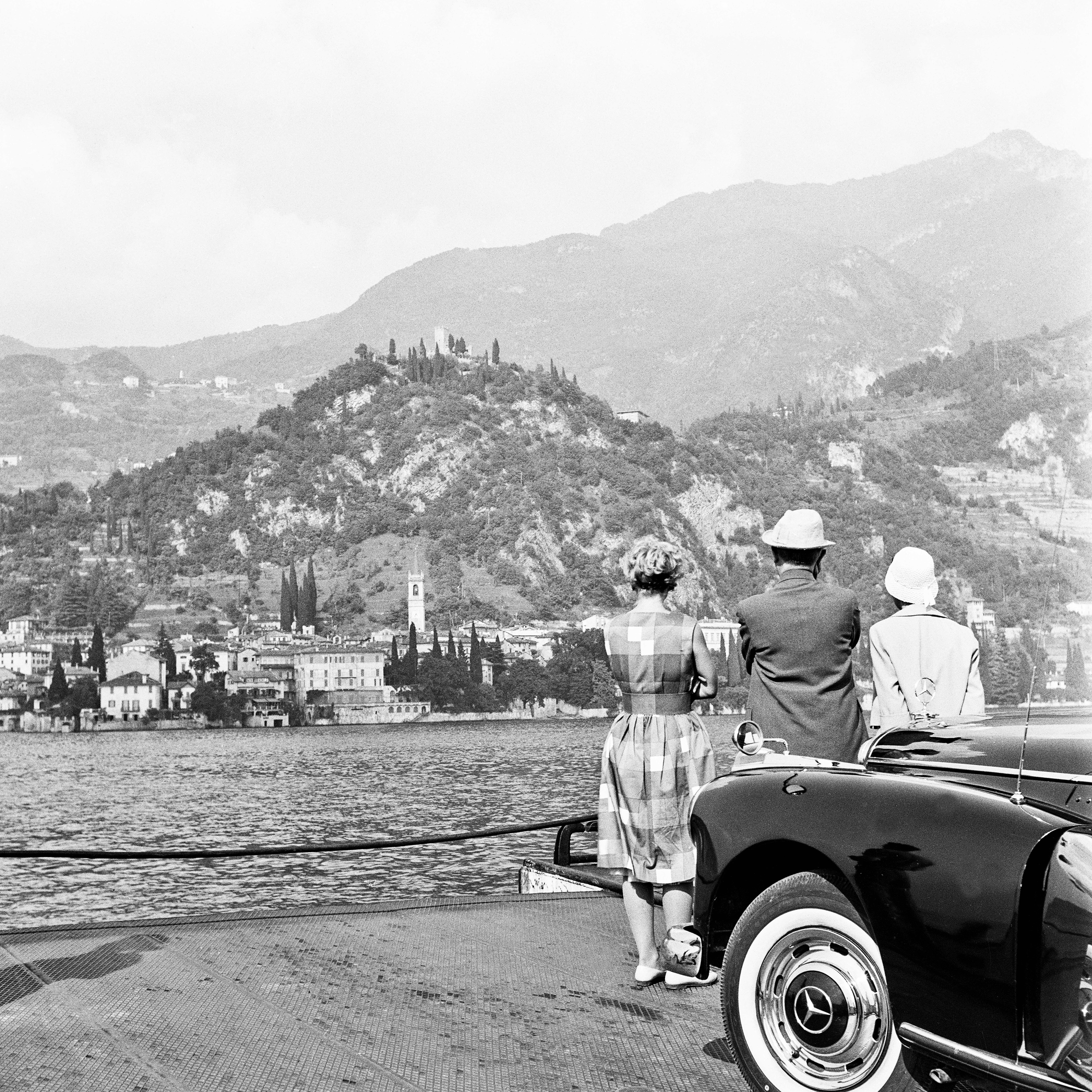
Side view of the Mercedes-Benz 300 d (W189)

Mercedes-Benz 300 d (W189)

A Grand Presence of Power, Prestige and Visibility
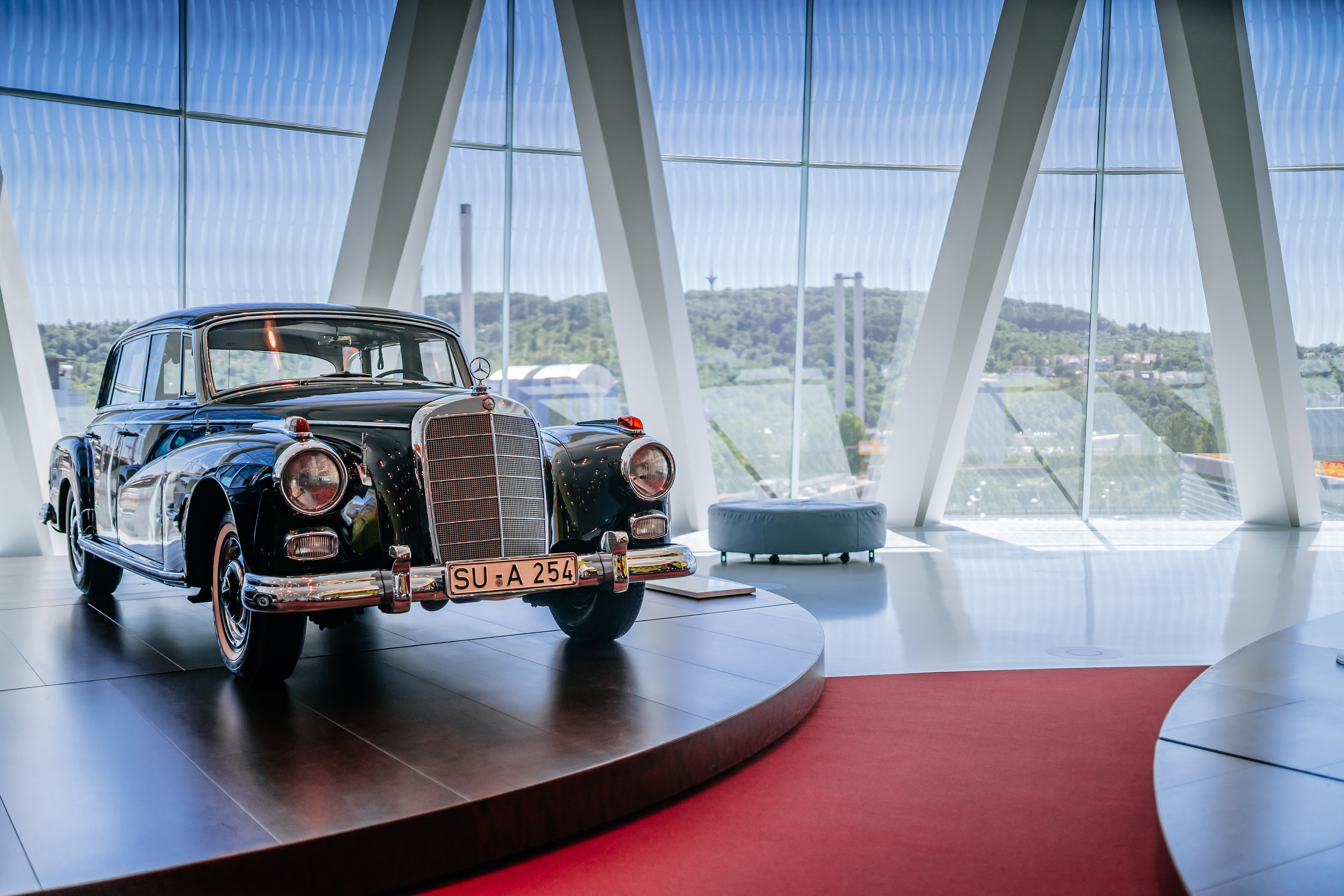
A New Chapter of Prestige (1957)

In 1957, Mercedes-Benz introduced a comprehensively revised version of its flagship luxury saloon — the 300 d, internally designated W189. This evolution marked a significant step forward in both design and engineering, with a longer wheelbase now as standard, reinforcing its commanding road presence and refined proportions.

Positioned at the pinnacle of the range, the 300 d continued the legacy of the “Grand Mercedes” — a symbol of authority, innovation and prestige in post-war Europe.
Side view of the first Mercedes-Benz motor car.

Design Evolution: Elegance in Every Detail

The 300 d received a distinctive design update that reflected the elegance of its era. The rear featured gently sculpted wings and vertical tail lamps, visually aligned with the 220 S, 220 SE Coupé and Cabriolet. At the front, newly designed headlamps with protruding decorative rings introduced a more expressive character, complemented by rectangular fog lamps integrated into the wings.

A larger boot enhanced practicality, while the overall silhouette conveyed both stateliness and modernity — a balance befitting a flagship luxury saloon.
Collection of Mercedes-Benz radiator grilles.

A New Sense of Space: “Full-Visibility” Design

One of the most defining innovations was the dramatic increase in glass area — expanded by 30 percent. This transformation created a brighter, more open cabin with exceptional all-round visibility.

At the heart of this concept was the sweeping rear window, extending seamlessly across the width of the car and wrapping into the sides. Combined with retractable side windows, this design formed what Mercedes-Benz described as a “pillarless full-visibility body” — an architectural approach that elevated both comfort and spatial experience.

Comfort Engineered for Effortless Travel

Designed for relaxed, long-distance cruising, the chassis and lighter steering system delivered a notably smooth and composed driving experience, particularly suited to the expectations of international markets.

The 300 d also offered advanced comfort features for its time:

  • Automatic transmission as standard 
  • Optional power steering for enhanced ease of control
  • Optional air conditioning (introduced in December 1958)

Together, these elements positioned the 300 d as a benchmark for luxury travel.
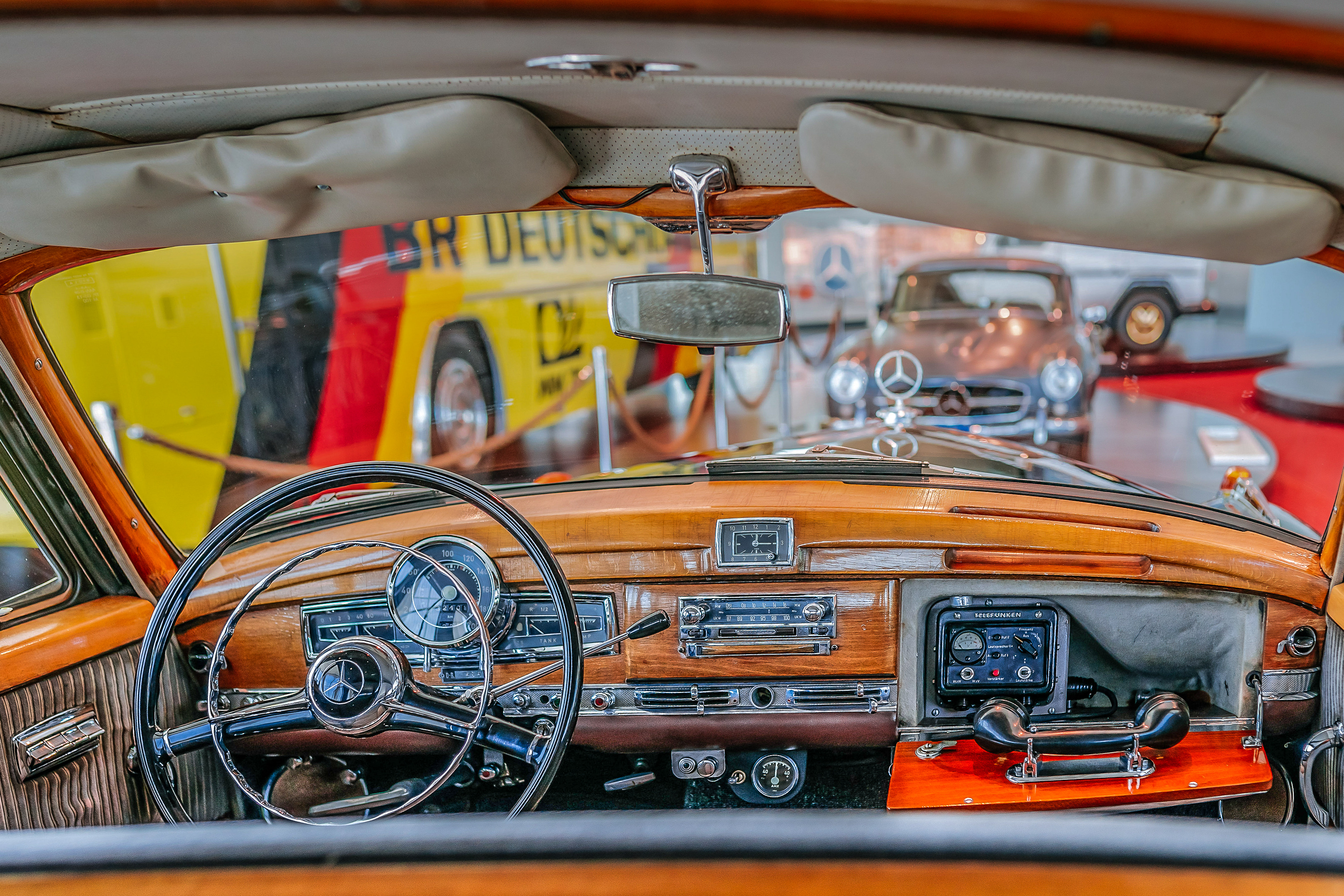
interior view of a Mercedes-Benz car for Effortless Travel

A Symbol of Authority and Prestige

More than a luxury automobile, the Mercedes-Benz 300 d  stood as a symbol of status and leadership. Favoured by figures such as German Federal President Theodor Heuss and Chancellor Konrad Adenauer — giving rise to the nickname “Adenauer Mercedes” — it embodied authority at the highest level.

Admired by royalty, cultural icons and global leaders alike, the 300 d also found expression in bespoke forms, including a specially commissioned Landaulet for Pope John XXIII. More than a car, it was a statement of arrival.
Interior view of a Mercedes-Benz car.

Classic Car Display Schedule

Step into the legacy of iconic automobiles and explore the evolution of design and innovation through time. Discover a curated display of classic models across our Mercedes-Benz Brand Centres, Hong Kong Island and Kowloon.

Classic Display Cars Summary​

Since 1886

140 Years of Innovation.

At Mercedes-Benz, the future of mobility has been shaped by a dedication to evolving human needs and innovating solutions that move the world forward.
Vehicle shaped by 140 Years of Innovation.

Find Your Mercedes-Benz.

Discover what makes every drive with Mercedes-Benz feel like home through human-centric innovation across design, comfort, intuitive technology and advanced safety. Every detail is unmistakably Mercedes-Benz and creates a space that understands how you move, think and drive. Find yours.